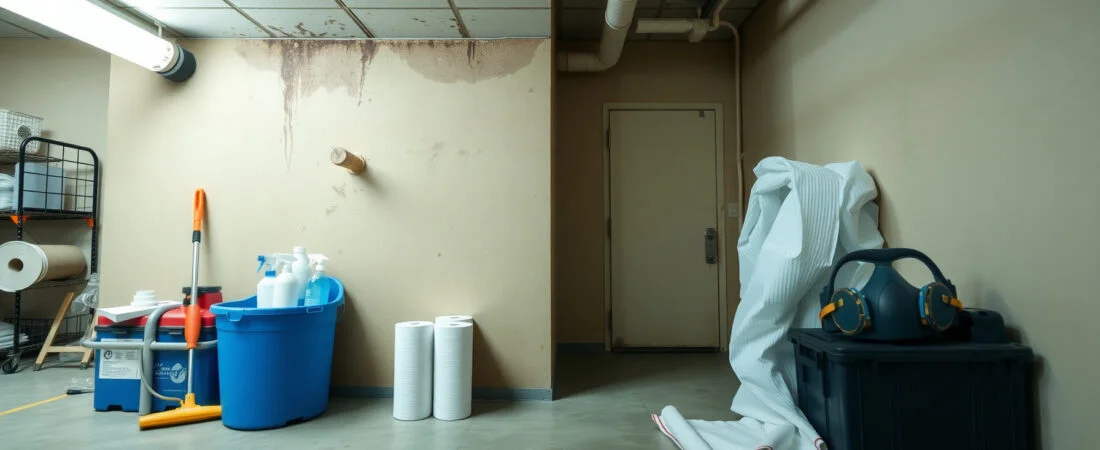
Arriving home to find soaked carpets, damp walls, and puddles pooling after a plumbing failure or flood is overwhelming. Even after visible water is mopped up, a persistent musty smell and discoloration can appear days later—signs that hidden moisture remains. Water that seeps behind drywall, under flooring, or into insulation creates the perfect breeding ground for mold. Mold can start growing in less than a day if conditions are right, threatening the safety of your living space and complicating repairs. Hiring professional water extraction services is a key step in preventing mold from taking hold, ensuring thorough drying and safeguarding your property from lasting damage.
Hidden Moisture Traps Behind Drywall After Indoor Flooding
When water invades a home, it doesn’t always stay where it’s visible. Even after mopping up surface water, moisture can wick behind drywall panels, become absorbed by insulation, or linger under baseboards. Professional extraction crews use moisture meters—special tools that detect water inside walls and floors—to identify these concealed wet spots. Recognizing such areas is critical because trapped moisture behind drywall is a primary site where mold can start growing without warning. Homeowners often overlook these hidden pockets, which is why thorough assessment with specialized tools is a hallmark of professional water extraction services.
Drywall, in particular, is highly porous. It can absorb and hold water for days, fostering mold growth in wall cavities that remain undisturbed. Step-by-step guidelines for detecting moisture in building materials show why a simple visual inspection is not enough. Professional crews open up or treat affected areas as needed, minimizing unnecessary removal while ensuring all wet material is addressed.
Industrial Air Movers and Dehumidifiers Eradicate Residual Humidity
Once standing water is extracted, the battle against mold continues with the drying phase. Professionals deploy industrial-grade air movers—powerful fans designed for rapid evaporation—and commercial dehumidifiers that pull lingering moisture from the air. Unlike household fans, these machines create airflow patterns that reach deep into carpets, behind baseboards, and through wall cavities. This equipment is essential to prevent residual humidity from condensing back onto surfaces where mold would thrive.
Using dehumidifiers rated for flood recovery, crews monitor moisture levels in real time and adjust settings until affected rooms reach safe dryness standards. Guidelines on proper use of drying equipment after water damage support the need for this systematic approach. Homeowners relying on basic household appliances often find that dampness lingers, leading to mold growth days or weeks after the apparent cleanup.
Swift Structural Drying Inhibits Spore Colonization Within Twenty Four Hours
Mold spores are always present in indoor air, but they only become a risk when moisture persists. If water-damaged materials remain wet for more than twenty four hours, the likelihood of spore colonization skyrockets. Professional extraction crews prioritize immediate response and continuous drying. By arriving quickly and starting extraction and drying processes right away, these teams reduce the time that building materials remain vulnerable to mold.
The urgency of this response is highlighted in What to Do After Water Damage, which details steps for handling an emergency. Following this kind of advice, professional crews know that every hour counts—the faster structural drying begins, the less chance mold has to establish itself. This rapid intervention often makes the difference between a simple restoration and a costly, invasive mold remediation project.
Certified Water Mitigation Techniques Protect Indoor Air Quality
Beyond drying, professional water extraction services incorporate mitigation practices designed to protect the health of everyone in the home. Certified crews use containment measures such as plastic sheeting and air scrubbers—machines that filter mold spores and dust from the air—to prevent the spread of contaminants during cleanup. This is especially important in homes with children, elderly residents, or anyone with respiratory sensitivities.
Mitigation protocols include removing unsalvageable materials, treating affected surfaces with antimicrobial solutions, and monitoring air quality throughout the process. These steps ensure that mold spores do not disperse into the air or settle in new locations. By following approved water mitigation techniques, extraction professionals help maintain a safe, healthy living environment long after the visible water is gone.
Conclusion
When faced with water damage, act promptly by contacting a reputable professional extraction crew. Confirm that teams use advanced detection tools, industrial drying equipment, and certified mitigation methods. This proactive decision greatly reduces the risk of hidden mold growth and keeps your home safe for your family.