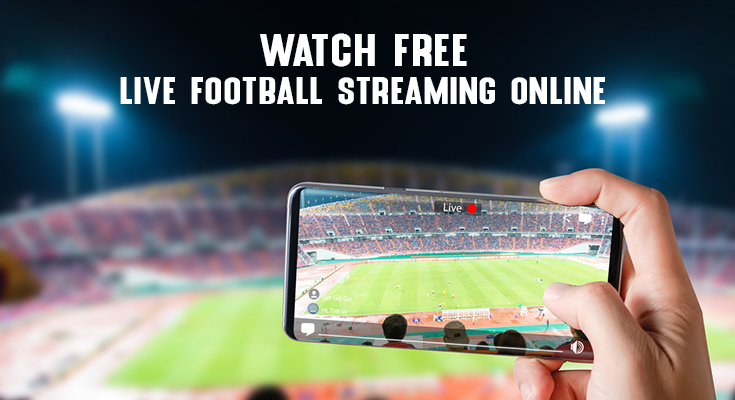
Watching live football on a mobile device is no longer a fallback option; for many viewers, it is the primary way matches are followed. However, mobile viewing changes how football is seen and understood. Screen size, connection stability, and viewing context all influence how clearly match flow, tempo, and team behavior can be interpreted during live play.
Why Mobile Viewing Alters the Way Matches Are Read
Football understanding relies on spatial awareness and continuity. On mobile screens, visual information is compressed, which affects how easily players’ positions and distances are judged. This does not make understanding impossible, but it shifts the focus toward certain cues over others.
When watching on mobile, viewers naturally concentrate more on the ball and immediate actions. Wider structural details require more deliberate attention. Recognizing this shift helps viewers adapt their expectations and focus to suit the format rather than misreading the match.
Screen Size and the Perception of Space
Space is the foundation of football logic, and screen size directly affects how space is perceived. On mobile, defensive lines and midfield spacing can appear tighter or looser than they actually are, depending on camera framing.
Before identifying key effects, it is important to understand that mobile viewing favors local interactions over global structure.
- Defensive compactness appears stronger due to limited width
- Wide overloads are harder to spot early
- Vertical distances feel shorter than they are
- Off-ball positioning requires intentional focus
Once viewers account for these distortions, they can recalibrate how they judge control and pressure. Mobile viewing rewards attention to repetition rather than single frames, helping maintain accurate game-flow understanding.
Connection Stability and Real-Time Flow
Mobile networks are inherently variable. Movement between locations, signal handovers, and background usage all affect stream stability. These fluctuations directly impact how match rhythm is perceived.
A brief pause during buildup may seem insignificant, but it can remove the context that explains the next action. Over time, repeated micro-interruptions fragment the match narrative. For mobile viewers, prioritizing stable connectivity matters more than resolution when the goal is understanding rather than spectacle.
When Mobile Viewing Works Best for Live Football
Mobile viewing excels in certain match conditions. Games with clear tempo swings or frequent transitions are often easier to follow because meaning is concentrated in visible actions.
However, slower tactical battles require greater discipline from the viewer. Understanding which match types suit mobile viewing helps avoid frustration and misinterpretation.
Match Types That Translate Better to Mobile
High-intensity pressing games and end-to-end matches reveal intent quickly. In contrast, positional contests demand patience and stable viewing conditions to remain readable on smaller screens.
Viewing Environment and Game-Flow Continuity
Mobile viewing often happens in less controlled environments. Noise, movement, and interruptions compete for attention, influencing how much of the match logic is absorbed. During extended periods of circulation or defensive organization, maintaining focus becomes more challenging.
In situations where the match unfolds gradually, following play through a live football website that delivers consistent sequences helps preserve continuity. When viewers track matches via GoalDaddy in these contexts, the stable flow allows game rhythm and positional changes to remain readable even on a smaller screen, supporting clearer game-flow understanding.
Common Mistakes When Watching Football on Mobile
Many misunderstandings come from treating mobile viewing as equivalent to large-screen viewing. Without adjustment, this leads to flawed conclusions.
Before listing these mistakes, it is important to recognize that they stem from misplaced expectations rather than lack of effort.
- Overvaluing individual duels while missing structure
- Assuming slow matches lack intent
- Ignoring buildup patterns due to screen constraints
- Letting brief interruptions reset match context
Recognizing these tendencies helps mobile viewers adjust habits and recover analytical clarity.
Comparing Mobile and Larger-Screen Viewing
Understanding the trade-offs becomes easier when comparing how different devices affect match reading over time.
| Viewing Aspect | Mobile Device | Larger Screen |
| Spatial awareness | Reduced | High |
| Focus on ball | Strong | Balanced |
| Sequence tracking | Possible with effort | Natural |
| Environmental control | Variable | Stable |
This comparison shows that mobile viewing is not inferior, but conditional. Its effectiveness depends on how well viewers adapt their focus to the medium.
Situations Where Mobile Viewing Becomes Limiting
Mobile viewing struggles most in matches defined by patience and structure. Tactical stalemates, deep defensive blocks, and games managed through tempo rather than chances require uninterrupted, wide-angle observation.
In these situations, mobile viewers must consciously slow their interpretation, relying on repeated patterns rather than immediate impressions. Without this adjustment, match logic can feel opaque or misleading.
Summary
Watching ดูบอสด on mobile is effective when viewers adapt their expectations and focus to the medium. Smaller screens emphasize local actions, while stable connections preserve game flow and tempo. Mobile viewing works best in high-intensity matches and requires greater discipline in slower tactical contests. When approached with awareness, mobile viewing can still support meaningful match understanding, provided continuity and attention are protected throughout the game.